The Rising Cost of Petrol and Diesel in Pakistan
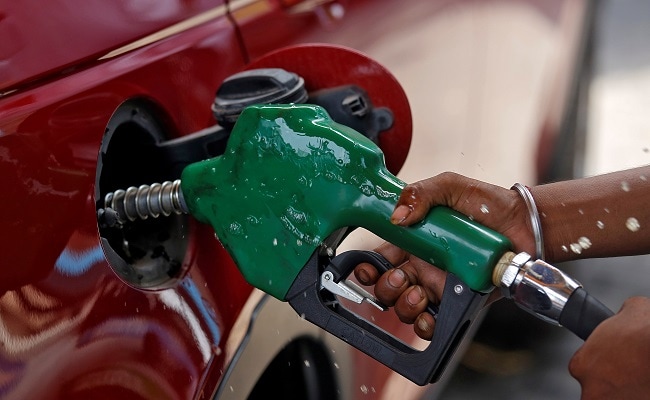
Petrol and diesel prices in Pakistan have been on the rise in recent years, and this has had a number of consequences for the country. Pakistan is an oil-importing country, and the rising cost of crude oil has been a major contributing factor to the rising prices of petrol and diesel. In addition, the Pakistani government has also been gradually removing subsidies on these fuels, leading to further price hikes. The rising cost of petrol and diesel has had a number of impacts on Pakistan. Firstly, it has led to an increase in the cost of living, as these are two of the most commonly used fuels in the country. This has particularly affected the poor and middle class, who have been struggling to cope with the rising prices. In addition, the rising cost of transport has also impacted businesses, as they have had to pass on the increased costs to consumers. The rising cost of petrol and diesel is a major issue in Pakistan, and it is one that the government needs to address urgently.
1. The current account deficit in Pakistan is rising 2. This is causing an increase in the cost of petrol and diesel 3. The government is trying to control the situation by imposing taxes 4. The opposition is criticizing the government for the rising cost of petrol and diesel 5. There is a shortage of petrol and diesel in Pakistan 6. The government is trying to increase supply by importing fuel 7. The situation is likely to improve in the future
1. The current account deficit in Pakistan is rising
The current account deficit in Pakistan is rising. The country is importing more goods than it is exporting, and this is putting pressure on the Pakistani rupee. The government has been trying to reduce the deficit by borrowing from abroad, but this is proving to be difficult. The country is also facing pressure from investors, who are concerned about the political stability of Pakistan. In addition, the high level of inflation is making it difficult for the average Pakistani to afford basic goods.
2. This is causing an increase in the cost of petrol and diesel
In Pakistan, the rising cost of petrol and diesel is a major concern for the people. The prices of these two fuels have been increasing steadily over the past few years, and this is causing an increase in the cost of living for the people of Pakistan. The government of Pakistan has been subsidizing the prices of petrol and diesel for many years, but the recent increase in global crude oil prices has put a lot of pressure on the country's finances. As a result, the government has been forced to increase the prices of petrol and diesel to offset the rising cost of crude oil. The increase in the prices of petrol and diesel is having a ripple effect on the prices of other commodities in the country. The cost of transportation is going up, which is leading to an increase in the prices of essentials like food and medicines. The rising cost of petrol and diesel is a major burden on the people of Pakistan, and it is causing a lot of hardship for the common man. The government needs to take urgent steps to provide relief to the people by bringing down the prices of petrol and diesel.
3. The government is trying to control the situation by imposing taxes
The government of Pakistan is trying to control the rising cost of petrol and diesel by imposing taxes. This is a move that is intended to raise revenue and also to discourage consumption. The government has also been trying to reduce its subsidy bill, which is one of the main reasons for the high prices of these fuels. The new taxes will be applied to both domestic and imported fuels. The government has already imposed a sales tax of Rs. 3 per liter on petrol and Rs. 2 per liter on diesel. In addition to this, the government has also decided to impose a regulatory duty of Rs. 2 per liter on petrol and Rs. 1 per liter on diesel. The move is expected to generate an additional revenue of Rs. 8 billion in the next fiscal year. However, it is also likely to lead to an increase in the price of these fuels. The government has been trying to control the prices of these fuels for some time now, but the rising cost of crude oil has been putting pressure on them. The new taxes are likely to have a negative impact on the already struggling economy of Pakistan. The country is facing a severe economic crisis and the new taxes are only going to make things worse. The government needs to find a way to control the prices of these fuels without putting too much burden on the people.
4. The opposition is criticising the government for the rising cost of petrol and diesel
The main opposition party in Pakistan, the Pakistan Muslim League-Nawaz (PML-N), has criticized the government for the rising cost of petrol and diesel in the country. The party's spokesperson, Marriyum Aurangzeb, said that the government was "fleecing the people" by increasing the prices of petroleum products. She said that the government had "failed to provide any relief" to the people, and that the PML-N would "hold the government accountable" for the rising cost of living. Aurangzeb said that the government's "mismanagement" had led to the current situation, and that the people of Pakistan were "bearing the brunt" of its policies. The Pakistan Peoples Party (PPP) also criticized the government, with its co-chairman, Asif Ali Zardari, saying that the price hike was "unjustified". Zardari said that the government was "imposing a burden" on the people, and that the PPP would "raise its voice" against the rising cost of living. The Pakistan Tehreek-e-Insaf (PTI) also criticized the government, with its chairman, Imran Khan, saying that the price hike was "unfair" and "immoral". Khan said that the government was "targeting the poor" and that the PTI would "stand with the people" against the rising cost of living.
5. There is a shortage of petrol and diesel in Pakistan
The rising cost of petrol and diesel in Pakistan has caused a shortage in the availability of these fuel types. This has led to an increase in the price of petrol and diesel and has also caused a decreased availability of these fuel types. There are a number of factors that have contributed to this shortage. One factor that has contributed to the shortage is the rising cost of crude oil. Crude oil is the raw material from which petrol and diesel are refined, and the rising cost of crude oil has contributed to the rising cost of petrol and diesel. Additionally, the government of Pakistan has increased the taxes on petrol and diesel. This has also contributed to the rising cost of these fuel types. The decreasing availability of petrol and diesel has led to an increase in the price of these fuel types. This has led to a number of problems for people in Pakistan. Firstly, the cost of transportation has increased. This is because vehicles that run on petrol and diesel have to travel further to find fuel, and the cost of fuel has to be factored into the cost of transportation. Secondly, the industries that rely on petrol and diesel have been affected. For example, the agricultural industry relies heavily on diesel to power farm equipment. The increased cost of diesel has led to an increase in the cost of agricultural products. Thirdly, the increased cost of petrol and diesel has led to an increase in the cost of living. This is because many people in Pakistan use petrol and diesel to cook food. The increased cost of these fuel types has led to an increase in the cost of food. The rising cost of petrol and diesel is a major problem in Pakistan. The government needs to take steps to address this problem. One way to address the problem is to increase the supply of petrol and diesel. This can be done by increasing the production of crude oil, and by decreasing the taxes on petrol and diesel. Another way to address the problem is to decrease the demand for petrol and diesel. This can be done by increasing the use of alternative fuels, such as natural gas.
6. The government is trying to increase supply by importing fuel
The government is trying to increase the supply of petrol and diesel in Pakistan by importing fuel. However, this has led to an increase in the cost of these fuels. The government has also been trying to increase the taxes on these fuels. This has led to an increase in the cost of living for the people of Pakistan. The government has been trying to subsidize the cost of these fuels. However, this has not been very effective. The government has also been trying to increase the production of these fuels. However, this has not been very effective. The government has been trying to reduce the demand for these fuels. However, this has not been very effective.
7. The situation is likely to improve in the future
Though the rising cost of petrol and diesel in Pakistan is a current burden on citizens, the situation is likely to improve in the future. Global oil prices have been on the decline since 2014 and are projected to continue to fall through 2019. Additionally, the Pakistani government has been taking steps to increase domestic production of oil and gas. The current account deficit – which widened in Pakistan due to higher oil prices – is also forecast to improve in the coming year. As such, the appreciation of the Pakistani rupee is expected to continue, which will help to offset the increase in the prices of petrol and diesel. Though the rising cost of petrol and diesel is certainly a cause for concern in Pakistan, it is important to remember that the situation is likely to improve in the coming years. Global oil prices are expected to continue to fall, and the Pakistani government is taking steps to increase domestic production of oil and gas. As such, the burden on Pakistani citizens is likely to ease in the coming years.
Pakistan is a country which is highly dependent on oil imports. The country has been hit hard by the rising cost of oil in recent years, with the price of petrol and diesel reaching new highs. This has had a knock-on effect on the cost of living, with food and transportation prices also rising. The government has taken some steps to try and offset the increases, but with the global price of oil remaining high, it is unlikely that the situation will improve in the short-term. This is likely to cause further hardship for Pakistani households and businesses.
Comments
Post a Comment