"Pakistan's Economic Crisis: What You Need to Know"
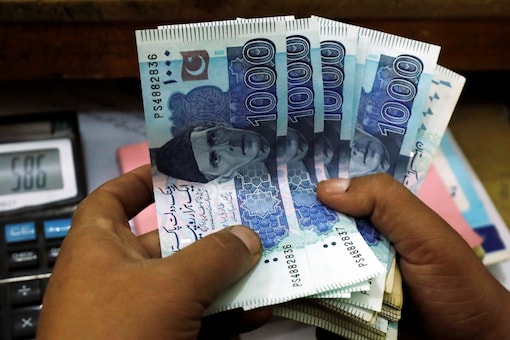
Pakistan is currently in the midst of an economic crisis. The country is facing a balance of payments crisis, a fiscal crisis, and an inflationary crisis. The Pakistani rupee has lost a third of its value against the US dollar since the start of 2018. Inflation is rising and is now at its highest level in five years. The country's foreign exchange reserves are dwindling, and its current account deficit is widening. The economic crisis in Pakistan is having a knock-on effect on the country's politics. The Pakistan Muslim League (N) government, led by Prime Minister Shahbaz Sharif, is under pressure from the opposition Pakistan Peoples Party (PPP) and Pakistan Tehreek-e-Insaf (PTI) to resign. The PPP and PTI are calling for early elections, accusing the government of mismanaging the economy. The economic crisis in Pakistan is a complex one. It is caused by a combination of factors, including internal political instability, external economic factors such as falling global commodity prices, and the country's continued reliance on foreign aid. The crisis is having a major impact on the lives of ordinary Pakistanis. Prices of basic necessities, such as food and fuel, are rising,
1. Pakistan is currently in the midst of an economic crisis. 2. The Pakistani Rupee has lost over 20% of its value against the US dollar since the start of 2018. 3. Inflation has been rising and is currently at around 10%. 4. The country's external debt is also increasing and is currently at around $95 billion. 5. The government has been seeking assistance from the IMF and other international organizations. 6. The economic crisis is having a negative impact on the lives of ordinary Pakistanis. 7. The government is taking steps to try and resolve the crisis, but it is not clear how successful they will be.
1. Pakistan is currently in the midst of an economic crisis.
Pakistan is currently in the midst of an economic crisis. The country is dealing with a widening budget deficit, a devalued currency, and inflation. The crisis has led to a decrease in foreign investment and a loss of jobs. The Pakistani government has been working to stabilize the economy, but the country continues to face challenges.
2. The Pakistani Rupee has lost over 20% of its value against the US dollar since the start of 2018.
Pakistan's economic crisis has been building for years, but it came to a head in 2018 when the Pakistani rupee lost over 20% of its value against the US dollar. This has led to higher prices for imported goods, which has put a strain on Pakistani businesses and consumers. The Pakistani government has been trying to stabilize the economy by borrowing money from international lenders, but this has only made the situation worse. The government has now imposed strict controls on the amount of money that can be sent out of the country in an attempt to stop the hemorrhaging of foreign currency. These measures have led to protests from businesses and consumers, who say that the government is not doing enough to fix the economy. The situation is made even more difficult by the fact that Pakistan is facing a potential currency crisis as well. The Pakistani rupee is not the only currency that has lost value against the US dollar in recent months. The Indian rupee has also declined, and there is a possibility that the Pakistani rupee could be devalued further in the future. This would be a disaster for Pakistan, as it would make imported goods even more expensive and put even more strain on businesses and consumers. The Pakistani government needs to take action to fix the economy, or the country could be facing an economic collapse.
3. Inflation has been rising and is currently at around 10%.
Pakistan is currently facing an economic crisis, with inflation rising to around 10%. This has caused prices for basic necessities to increase and has put strain on Pakistan's currency. The government has been working to try and control the inflation, but it has been difficult. In order to get a handle on the situation, Pakistan will need to take measures to control the money supply and increase its exports.
4. The country's external debt is also increasing and is currently at around $95 billion.
Pakistan is facing an economic crisis. The country's external debt is increasing and is currently at around $95 billion. This is putting a strain on the country's finances, and its ability to repay its debts. The country is also facing a fiscal deficit, which is the difference between its revenue and its expenditure. The deficit is currently at around $12 billion. The country's currency, the Pakistani Rupee, has also been devalued, and is now worth less than it was a few months ago. This is making it difficult for Pakistan to pay for imported goods and is also making it harder for Pakistani businesses to compete internationally. The country is also facing an inflation rate of around 6%. This is making it difficult for people to afford basic goods and services. The Pakistani government is working to try and improve the country's economic situation, but it is an uphill battle.
5. The government has been seeking assistance from the IMF and other international organizations.
Pakistan is currently facing an economic crisis and the government has been seeking assistance from the IMF and other international organizations. Here is what you need to know about the situation. Pakistan has been struggling economically for some time now. The country has a large trade deficit, high levels of debt, and low levels of foreign investment. The Pakistan government has been trying to get assistance from the IMF and other international organizations. The IMF has approved a loan for Pakistan and has also provided some technical assistance. However, the loan comes with conditions attached. One of the conditions is that Pakistan needs to implement reforms, including reducing its fiscal deficit. The Pakistani government has also been in talks with the World Bank and the Asian Development Bank for assistance. The World Bank has approved a $1.5 billion loan for Pakistan. Pakistan is currently facing an economic crisis and the government has been seeking assistance from the IMF and other international organizations. Here is what you need to know about the situation. Pakistan has been struggling economically for some time now. The country has a large trade deficit, high levels of debt, and low levels of foreign investment. The Pakistan government has been trying to get assistance from the IMF and other international organizations. The IMF has approved a loan for Pakistan and has also provided some technical assistance. However, the loan comes with conditions attached. One of the conditions is that Pakistan needs to implement reforms, including reducing its fiscal deficit. The Pakistani government has also been in talks with the World Bank and the Asian Development Bank for assistance. The World Bank has approved a $1.5 billion loan for Pakistan. The Pakistani government has been working on an economic reform plan and is hoping to get more assistance from the international community. However, it remains to be seen how successful these efforts will be.
6. The economic crisis is having a negative impact on the lives of ordinary Pakistanis.
Pakistan is currently in the midst of an economic crisis. The country is facing a number of challenges, including a fiscal deficit, rising inflation, and dwindling foreign reserves. This has led to a number of negative impacts on the lives of ordinary Pakistanis. One of the most immediate impacts of the crisis has been an increase in prices. This has hit peoples' purchasing power, as they are now able to buy less with their income. Inflation has also made it more difficult for people to access credit, as banks are now more reluctant to lend money. The economic crisis has also led to job losses. As businesses struggle to cope with the effects of the crisis, many have been forced to lay off workers. This has had a knock-on effect on people's incomes, as households are now struggling to make ends meet. The economic crisis has also had a negative impact on the Pakistani government's ability to provide services. With less revenue coming in, the government has been forced to cut back on spending. This has led to a decline in the quality of public services, such as healthcare and education. In short, the economic crisis is having a negative impact on the lives of ordinary Pakistanis. The crisis has led to job losses, rising prices, and a decline in the quality of public services. These impacts are likely to continue unless the Pakistani government takes action to address the underlying causes of the crisis.
7. The government is taking steps to try and resolve the crisis, but it is not clear how successful they will be.
Pakistan's economic crisis has been ongoing for some time, and the government has been taking steps to try and resolve it. However, it is not clear how successful they will be. The government has implemented a number of austerity measures, including cutting subsidies and raising taxes. Additionally, they have made efforts to boost exports and attract foreign investment. So far, these measures have not been very successful. Pakistan's economy continues to struggle, and the Pakistan Stock Exchange has lost over 20% of its value since January 2019. The situation is made worse by the fact that Pakistan is currently in a fiscal deficit, meaning that it is spending more money than it is taking in. This is due to a number of factors, including low tax revenue and high levels of government spending. The government is currently working on a number of different plans to try and improve the situation. These include measures to increase tax revenue, reduce government spending, and attract foreign investment. It is not clear how successful these measures will be. Pakistan's economy is in a very precarious situation, and it faces a number of significant challenges. It is possible that the government's measures will not be enough to resolve the crisis, and that Pakistan will continue to struggle economically.
Pakistan is currently in the midst of an economic crisis, and it is important to be aware of the potential implications. The country is facing high levels of debt, a widening trade deficit, and dwindling foreign reserves. These problems have led to a depreciation of the Pakistani rupee, and there is a risk of further economic instability. Pakistan will need to take measures to address these issues in order to avoid a further deterioration of its economy.
Comments
Post a Comment